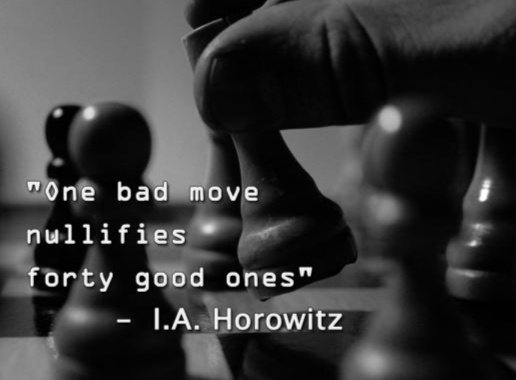
Chess is a two-player strategy board game played on a checkered board with 64 squares arranged in an 8×8 grid. The game is played by millions of people worldwide. Chess is believed to be derived from the Indian game chaturanga sometime before the 7th century. Chaturanga is also the likely ancestor of the Eastern strategy games xiangqui (Chinese chess), janggi (Korean chess), and shogi (Japanese chess). Chess reached Europe by the 9th century, due to the Umayyad conquest of Hispania. The pieces assumed their current powers in Spain in the late 15th century; the modern rules were standardized in the 19th century.Chess is a two-player strategy board game played on a checkered board with 64 squares arranged in an 8×8 grid. The game is played by millions of people worldwide. Chess is believed to be derived from the Indian game chaturanga sometime before the 7th century. Chaturanga is also the likely ancestor of the Eastern strategy games xiangqi (Chinese chess), janggi (Korean chess), and shogi (Japanese chess). Chess reached Europe by the 9th century, due to the Umayyad conquest of Hispania. The pieces assumed their current powers in Spain in the late 15th century; the modern rules were standardized in the 19th century.
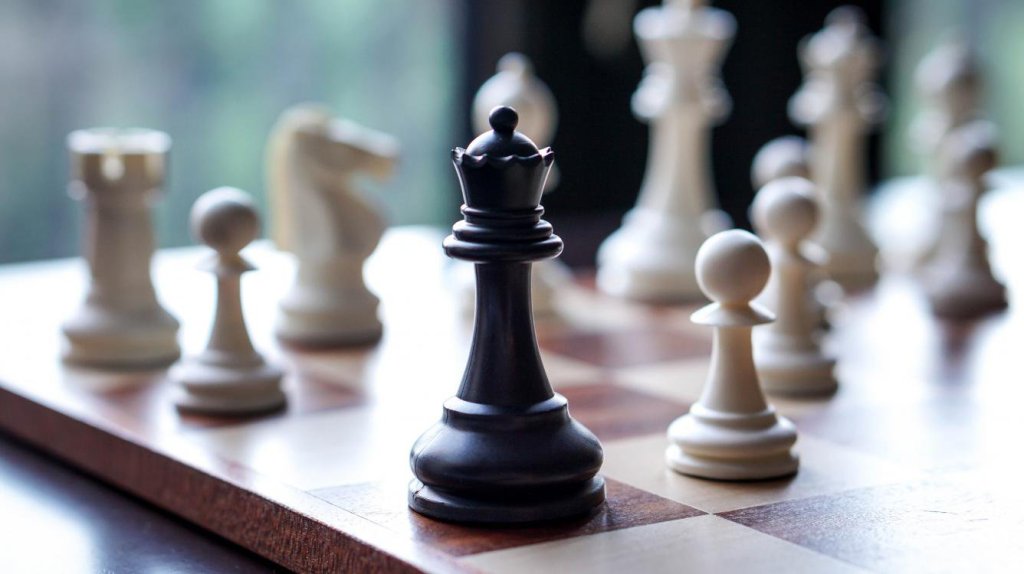
• Better Brain Function: the brain is remarkable – it is responsible for our mental performance and it is the most crucial organ in the human body. When the brain has no stimulation, the cells inside slowly die, it’s an example of “if you don’t use it, you lose it” moto, however, chess is a tool which gives users a rigorous mental workout. Let’s look at a quick example: to get the most benefit from a physical workout, you need to exercise both the left and right sides of your body. Studies show that in order to play chess well, a player must develop and utilize his or her brain’s left hemisphere, which deals with object recognition, as well as the right hemisphere, which deals with pattern recognition.

 Site Title